
Key Takeaways
- Excision surgery removes endometriosis at its roots, which can protect reproductive organs and support better pregnancy odds compared with leaving disease behind.
- Ablation often leaves diseased tissue beneath the surface untouched, which can allow symptoms to continue and works against future fertility goals.
- Careful removal of endometriomas, clearing of adhesions, and protection of healthy ovarian tissue all play a role in preserving fertility potential.
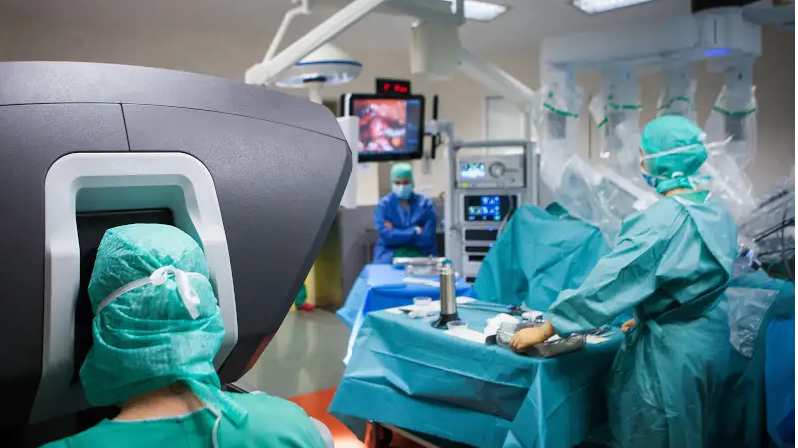
- Lotus Endometriosis Institute explains that robotic excision technology offers magnified 3-D vision that supports more precise, organ-sparing surgery – find more of their professional insights below.
Endometriosis affects fertility in ways that go far beyond pelvic pain. Inflammation, scar tissue, and distorted anatomy can all interfere with how eggs, sperm, and embryos move through the reproductive system, making it harder to conceive naturally.
For women weighing their options, understanding how surgery fits into the fertility picture is one of the most practical steps toward building a realistic plan.
Why Surgery Is Central to Fertility Care
Surgical excision remains the only definitive way to diagnose endometriosis, which means surgery often plays two roles at once: confirming the disease and treating it in the same operation. This dual purpose matters for fertility because imaging studies like ultrasound or MRI can’t always predict how deep or extensive the disease will turn out to be once a surgeon is actually looking at the pelvis.
Removing endometriosis tissue surgically can improve spontaneous pregnancy rates in women struggling with infertility. That outcome helps explain why many fertility-focused treatment plans place surgery at the center rather than treating it as a last resort.
Beyond diagnosis, surgery addresses the physical barriers endometriosis creates, like scar tissue binding organs together or cysts crowding healthy ovarian tissue. Clearing these obstacles can restore more normal pelvic function, giving the reproductive system a better chance to work as intended.
Excision vs. Ablation for Fertility
Not all surgical approaches are created equal when fertility is the goal. The technique a surgeon chooses can shape whether reproductive tissue is protected or put at further risk.
Why Excision Preserves Reproductive Tissue
Excision surgery removes endometriosis lesions at their roots using cold scissors along with calculated or spot cautery to keep the surgical field clear. Because this method cuts disease out rather than simply burning the surface, it is associated with lower recurrence rates and better protection of nearby organs. For women focused on fertility, this organ-sparing precision is especially valuable, since ovaries, fallopian tubes, and the uterus all need to stay as healthy as possible for conception to happen.
Clinical findings on deep infiltrating endometriosis, including disease found in the rectovaginal septum, point to meaningful fertility improvements when this type of deep tissue is thoroughly excised. Milder forms of peritoneal endometriosis have also shown improved fertility outcomes after excision, suggesting that surgical thoroughness matters regardless of how advanced the disease appears.
How Ablation Compares for Fertility Planning
Ablation uses heat or laser energy to burn visible lesions on the surface of tissue. While this can offer short-term pain relief, it often leaves disease hiding beneath the surface untouched, which allows symptoms to continue progressing. For anyone building a fertility-focused treatment plan, understanding this distinction between excision and ablation is a practical piece of knowledge worth discussing directly with a surgeon.
Protecting Ovaries, Tubes, and Pelvic Anatomy
Fertility depends on several structures working together, and endometriosis can damage each of them differently. A fertility-minded surgical plan has to account for the ovaries, the fallopian tubes, and the surrounding pelvic anatomy all at once.
Endometrioma Removal and Ovarian Reserve
Endometriomas, sometimes called chocolate cysts, form on the ovaries and can reduce ovarian reserve, meaning fewer healthy eggs are available over time. Removing these cysts can improve ovarian function and increase the chances of conception, but the surgery has to be done carefully. Aggressive removal risks damaging healthy ovarian tissue right alongside the cyst, which would work against the very fertility goals the surgery is meant to support. Careful technique during endometrioma removal is considered essential rather than optional.
When Fallopian Tubes Can – and Can’t – Be Saved
Fallopian tubes present a unique challenge because they need to stay open and functional for natural conception to occur. Excising endometriosis from the tubes can improve their function and lower the risk of ectopic pregnancy, a dangerous condition where an embryo implants outside the uterus. However, severely damaged tubes sometimes need to be removed entirely. This step reduces the risk of ectopic pregnancy and prevents inflammatory fluid from leaking back into the uterus, where it could interfere with embryo implantation during a future pregnancy or IVF cycle.
Clearing Adhesions to Restore Normal Anatomy
Adhesions are bands of scar tissue that can bind organs together in ways the body was never designed for, distorting the normal position of the uterus, ovaries, and tubes. Adhesiolysis, the surgical removal of these adhesions, can restore more normal pelvic anatomy and improve the chances of natural conception. Freeing up this anatomy also makes it easier for eggs to travel from the ovary to the fallopian tube, a step that is easy to overlook but essential for conception.
How Robotic Precision Supports Fertility Goals
Technology has changed what’s possible during fertility-focused endometriosis surgery. Robotic-assisted excision offers true 3-D vision, replacing the flat, two-dimensional view of standard laparoscopy with depth perception that makes it possible to distinguish tissue layers only millimeters apart. Wristed instruments add another layer of control, bending and rotating in ways that rigid laparoscopic tools cannot match, which is especially useful in tight or heavily scarred areas near the ovaries and tubes.
Magnification combined with Firefly technology allows surgeons to see blood supply more clearly, helping confirm that disease has been removed while surrounding tissue stays protected. Together, these tools support safer, more thorough surgery even in complex cases where scarring has distorted normal anatomy. Enhanced visualization and precision are particularly beneficial during delicate steps like endometrioma removal, where the margin between diseased and healthy ovarian tissue can be extremely thin.
Deciding When Surgery Fits Your Fertility Plan
Surgery is rarely a one-size-fits-all decision, especially when fertility is part of the equation. The right timing and approach depend on a combination of personal and medical factors.
Individualized Factors: Age, Severity, and Goals
The decision to pursue surgery for endometriosis-related infertility should weigh age, disease severity, and other fertility factors together rather than in isolation. A younger woman with mild disease may have more time to attempt natural conception after surgery, while someone with more advanced disease or a limited window for conceiving might need to move toward assisted reproduction sooner. Conservative excision, which removes only diseased tissue while sparing healthy structures, is often the preferred approach for women who still hope to conceive naturally or with minimal intervention.
Coordinating With Fertility Specialists and IVF
Involving both a reproductive endocrinologist and an excision surgeon can help optimize fertility strategy from every angle. Timing matters too: deciding whether surgery should happen before or after an IVF cycle is a conversation best had directly with a fertility specialist, since the right sequence depends on ovarian reserve, disease severity, and overall treatment goals. IVF success rates can improve after endometriosis excision surgery, particularly in cases involving severe disease, which is one reason surgical and fertility teams increasingly coordinate rather than operate separately.
Surgery Can Improve (But Not Guarantee) Pregnancy Odds
Surgical excision has a strong track record of preserving and even improving fertility outcomes, though it doesn’t come with a guarantee. Some women will still need assisted reproductive technologies after surgery, particularly if age, egg quality, or other factors continue to play a role. The goal of fertility-sparing surgery is to remove visible disease thoroughly while protecting reproductive organs and minimizing collateral damage, setting the stage for the best possible outcome rather than promising a specific result.
Post-surgical medical therapy is sometimes used to help prevent disease recurrence, though its long-term impact on fertility is still being studied. What’s clear is that the skill and experience of the surgeon performing the excision plays a significant role in how well reproductive organs are protected and how durable the results turn out to be. For women weighing their next step, Lotus Endometriosis Institute has more resources on fertility-focused excision techniques to help clarify what realistic outcomes might look like based on individual anatomy and disease severity.
Lotus Endometriosis Institute
154 Traffic Way
Arroyo Grande
CA
93420
United States


